Shockwave Therapy
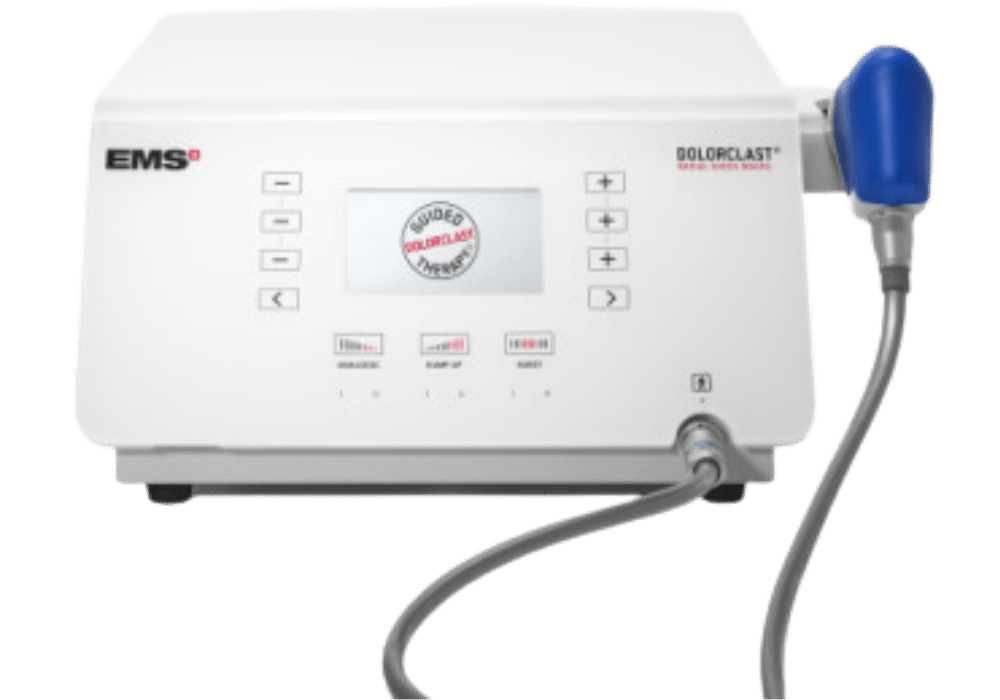
EMS Radial Shockwave Therapy is an innovative and highly effective treatment method for various foot and ankle conditions. It stands out as a pain-free, non-invasive option that promises quick recovery times and lasting relief from pain, making it one of the preferred methods for patients and Podiatrists.
How Shockwave Therapy Works
EMS Radial Shockwave Therapy utilizes high-energy acoustic waves which are directed towards the affected area to stimulate the body’s natural healing process. These acoustic waves enhance inflammation, which is the body’s way to initiate healing. While inflammation is often seen negatively, in this context, it serves as a beneficial aid to start the growth and reparative processes of new blood vessels and cells, ultimately leading to tissue regeneration and healing.
The therapy is known for its ability to target soft tissue injuries, tendon issues, and musculoskeletal conditions with precision. Typically, treatments are short, taking about 15 to 20 minutes per session, with patients often experiencing relief after just a few sessions.
Conditions Shockwave Therapy Treats
- Plantar Fasciitis: A common condition among athletes and people who stand for long periods, leading to heel pain.
- Achilles Tendinopathy: Degenerative changes in the Achilles tendon, causing pain and limited mobility.
- Heel Spurs: Calcium deposits that can lead to chronic heel pain.
- Shin Splints: Overuse injury causing pain along the shin bone.
- Tendinopathies: Including tennis elbow, when applied to lower limb tendinopathies like the patellar tendon.
Benefits of Shockwave Therapy
- Non-Invasive: A significant advantage of EMS Radial Shockwave Therapy is its non-invasive nature, avoiding the need for surgery and its associated risks and recovery time.
- Pain Reduction: Most patients experience a significant reduction in pain and increase in function following the treatment.
- No Downtime: There’s no need for a long rest period post-treatment, allowing patients to return to daily activities quickly.
Why Use Shockwave Therapy in Podiatry?
In the specific context of podiatry, EMS Radial Shockwave Therapy addresses conditions that are often chronic or difficult to treat with traditional methods. Moreover, this therapeutic approach promotes a quicker return to activities of daily living and sports, which is critical for maintaining lifestyle and fitness levels, particularly relevant to the active population of Sunshine Coast.
For both acute and chronic conditions affecting the lower extremity, EMS Radial Shockwave Therapy presents a promising treatment approach by stimulating the body’s natural healing process without the need for medications or invasive procedures. The therapy aligns with the growing preference for treatments that offer quick recovery, minimal discomfort, and lasting results.
With its applicability to a broad range of podiatric conditions, EMS Radial Shockwave Therapy is set to revolutionize the approach to foot and ankle treatment on the Sunshine Coast. It represents a perfect blend of technology and natural healing, promising effective, efficient, and patient-friendly solutions for challenging conditions.
By adopting this innovative treatment method, podiatry practitioners offer their patients a cutting-edge solution that not only addresses the immediate pain and discomfort but also contributes to a quicker and more robust recovery process, ensuring individuals can return to their active lifestyles with ease.
FAQ
Why is my heel pain worst first thing in the morning?
Heel pain is often worst first thing in the morning due to the overnight inactivity, which allows the muscles and tendons in the foot to tighten, especially the plantar fascia and the Achilles tendon. These tissues connect to the heel bone and are typically under a lot of stress during the day from walking or standing.
When you sleep, your feet are generally in a relaxed position and the fascia and other tendons slightly contract and cool down. Upon waking and taking the first few steps, these tissues suddenly stretch back to their functional length, which can cause micro tears or strain at the point where they attach to the heel bone, resulting in sharp, intense pain. This phenomenon is especially prevalent in conditions such as plantar fasciitis and Achilles tendonitis, and the pain usually decreases after the tissues stretch and warm up with continued movement.
What causes heel pain?
Heel pain can be caused by numerous factors including overuse injuries, inflammatory conditions such as plantar fasciitis or Achilles tendonitis, structural issues like flat feet or high arches, or even systemic diseases like arthritis. It can also occur from wearing poorly fitting or inappropriate footwear for certain activities.
How can I tell if my heel pain is caused by plantar fasciitis?
Plantar fasciitis typically causes a sharp, stabbing pain at the bottom of the foot near the heel. This pain is usually most intense with the first steps in the morning or after a long period of sitting. If your heel pain matches this description, it might be plantar fasciitis, but a clinical evaluation can provide a definite diagnosis.
I've had heel pain for a long time, can it still be treated or is it too late?
Can children experience heel pain?
Yes, children can also experience heel pain, often due to Sever’s Disease (calcaneal apophysitis) which is an inflammation of the growth plate in the heel. This is particularly common in physically active children who undergo periods of rapid growth.
What are some effective treatments for heel pain?
Treatment for heel pain depends on the underlying cause but often includes therapies including: Radial Shockwave Therapy, Dry Needling, Exercise Programs, Foot Mobilisation Therapy and Custom Orthotics.
What We Treat
Treatments
Opening Hours
- Monday 8:30am - 5:00pm
- Tuesday 8:30am - 5:00pm
- Wednesday 8:30am - 5:00pm
- Thursday 8:30am - 5:00pm
- Friday 7:00am - 3:00pm
- Saturday Closed
- Sunday Closed
Contact Us
Sunshine Coast Heel Pain Clinic - Woombye
4/40 Wilson Avenue, Woombye, 4559, QLD
Sunshine Coast Heel Pain Clinic - Sippy Downs
Shop 15B, 1 Fairfax Street, Sippy Downs, 4556, QLD
© Copyright Sunshine Coast Heel Pain Clinic – Parent company Elite Foot Care – Website by Hard Launch