
Gait and Running Assessments
Gait and running assessments are critical components of podiatric care, especially for athletes and individuals on the Sunshine Coast who lead active lifestyles. These assessments provide invaluable insights into how a person walks and runs, identifying any abnormalities or issues that could lead to discomfort, injury, or decreased performance. By understanding and analysing the biomechanics of movement, podiatrists can develop targeted treatment plans to improve foot health, enhance mobility, and optimise athletic performance.
Understanding Gait and Running Assessments
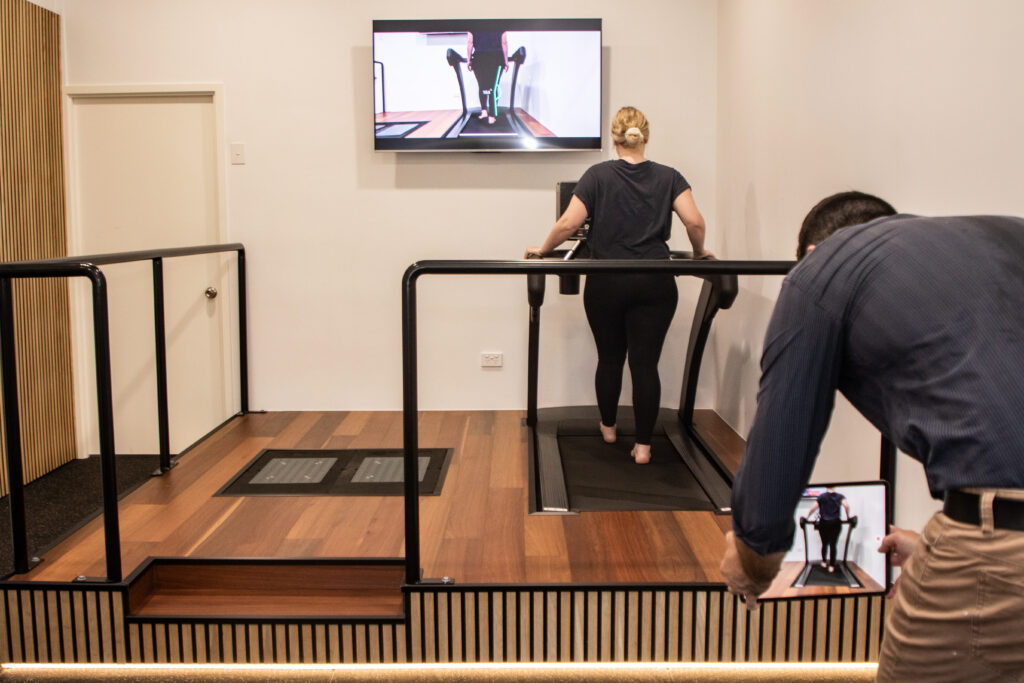
Gait and running assessments involve a comprehensive evaluation of an individual’s walking and running patterns. These assessments are conducted using a variety of tools and techniques, including video analysis, and VALD strength testing. The goal is to observe and measure parameters such as stride length, foot placement, and limb alignment during movement.
Key Components of the Assessment
- Biomechanical Analysis: Evaluates the structural alignment of the lower limb, including foot orientation and leg rotation during gait.
- Video Gait Analysis: Utilises slow-motion video to identify subtle movements and imbalances not visible to the naked eye.
- VALD Strength Testing: Measures the forces output by each muscle group in the legs, allowing our Podiatrists to identify comparative weaknesses.
- Functional Assessments: Look at muscle strength, flexibility, and range of motion, which can influence gait and running mechanics.
Conditions Identified and Treated
Gait and running assessments can help diagnose a range of conditions, including but not limited to:
- Plantar Fasciitis: Highlighting abnormal pressure or stride pattern contributing to heel pain.
- Achilles Tendinopathy: Identifying mechanical factors that put excessive strain on the Achilles tendon.
- Patellofemoral Pain Syndrome: Understanding the knee’s movement in relation to foot positioning during gait.
- Shin Splints: Assessing the impact forces and lower limb alignment that may contribute to medial tibial stress syndrome.
- Running Efficiency: For athletes, assessing running gait can identify areas for improvement to enhance performance and reduce injury risk.
The Role in Injury Prevention and Performance
By correcting identified abnormalities through targeted interventions such as custom orthotics, specific exercises, or changes in footwear, gait and running assessments play a significant role in injury prevention. Additionally, these assessments provide essential feedback for athletes looking to improve their efficiency and performance, highlighting areas where biomechanical adjustments can yield significant results.
Tailored Treatment and Advice
Based on the findings from gait and running assessments, podiatrists can develop personalized treatment plans that may include:
- Custom Orthotics: Designed to correct abnormal foot mechanics and distribute pressure evenly across the feet.
- Rehabilitation Exercises: Targeting weaknesses or imbalances in the musculature affecting gait or running mechanics.
- Footwear Recommendations: Advising on the best types of shoes to support an individual’s specific foot type and gait pattern.
- Technique Modifications: Offering training and advice on how to adjust walking or running techniques for better performance and reduced injury risk.
Gait and running assessments in podiatry are invaluable tools for diagnosing and treating lower limb issues on the Sunshine Coast. By offering a deep dive into the mechanics of movement, these assessments pave the way for targeted interventions that can enhance quality of life, prevent injuries, and boost athletic performance. Whether you’re an athlete aiming for your next personal best or someone seeking relief from foot and ankle discomfort, understanding your gait and running patterns is a critical step toward achieving your goals.
FAQ
Why is my heel pain worst first thing in the morning?
Heel pain is often worst first thing in the morning due to the overnight inactivity, which allows the muscles and tendons in the foot to tighten, especially the plantar fascia and the Achilles tendon. These tissues connect to the heel bone and are typically under a lot of stress during the day from walking or standing.
When you sleep, your feet are generally in a relaxed position and the fascia and other tendons slightly contract and cool down. Upon waking and taking the first few steps, these tissues suddenly stretch back to their functional length, which can cause micro tears or strain at the point where they attach to the heel bone, resulting in sharp, intense pain. This phenomenon is especially prevalent in conditions such as plantar fasciitis and Achilles tendonitis, and the pain usually decreases after the tissues stretch and warm up with continued movement.
What causes heel pain?
Heel pain can be caused by numerous factors including overuse injuries, inflammatory conditions such as plantar fasciitis or Achilles tendonitis, structural issues like flat feet or high arches, or even systemic diseases like arthritis. It can also occur from wearing poorly fitting or inappropriate footwear for certain activities.
How can I tell if my heel pain is caused by plantar fasciitis?
Plantar fasciitis typically causes a sharp, stabbing pain at the bottom of the foot near the heel. This pain is usually most intense with the first steps in the morning or after a long period of sitting. If your heel pain matches this description, it might be plantar fasciitis, but a clinical evaluation can provide a definite diagnosis.
I've had heel pain for a long time, can it still be treated or is it too late?
Can children experience heel pain?
Yes, children can also experience heel pain, often due to Sever’s Disease (calcaneal apophysitis) which is an inflammation of the growth plate in the heel. This is particularly common in physically active children who undergo periods of rapid growth.
What are some effective treatments for heel pain?
Treatment for heel pain depends on the underlying cause but often includes therapies including: Radial Shockwave Therapy, Dry Needling, Exercise Programs, Foot Mobilisation Therapy and Custom Orthotics.
What We Treat
Treatments
Opening Hours
- Monday 8:30am - 5:00pm
- Tuesday 8:30am - 5:00pm
- Wednesday 8:30am - 5:00pm
- Thursday 8:30am - 5:00pm
- Friday 7:00am - 3:00pm
- Saturday Closed
- Sunday Closed
Contact Us
Sunshine Coast Heel Pain Clinic - Woombye
4/40 Wilson Avenue, Woombye, 4559, QLD
Sunshine Coast Heel Pain Clinic - Sippy Downs
Shop 15B, 1 Fairfax Street, Sippy Downs, 4556, QLD
© Copyright Sunshine Coast Heel Pain Clinic – Parent company Elite Foot Care – Website by Hard Launch