
Exercise Rehab Programs
Exercise rehabilitation programs are a crucial component of podiatric care, offering individuals the opportunity to recover from foot and ankle conditions, improve function, and prevent future injuries. By incorporating customised exercise routines into a treatment plan, our Sunshine Coast Podiatrists can help patients achieve optimal results through a holistic and proactive approach to foot health.
The Importance of Exercise Rehab Programs in Podiatry
In podiatry, exercise rehabilitation programs are tailored to address specific conditions and patient needs. They focus on restoring strength, flexibility, and balance in the feet and lower limbs, which are essential for maintaining mobility and an active lifestyle. Moreover, exercise rehabilitation plays a vital role in the recovery process after foot or ankle surgery, injury, or in managing chronic conditions such as diabetes-related foot problems.
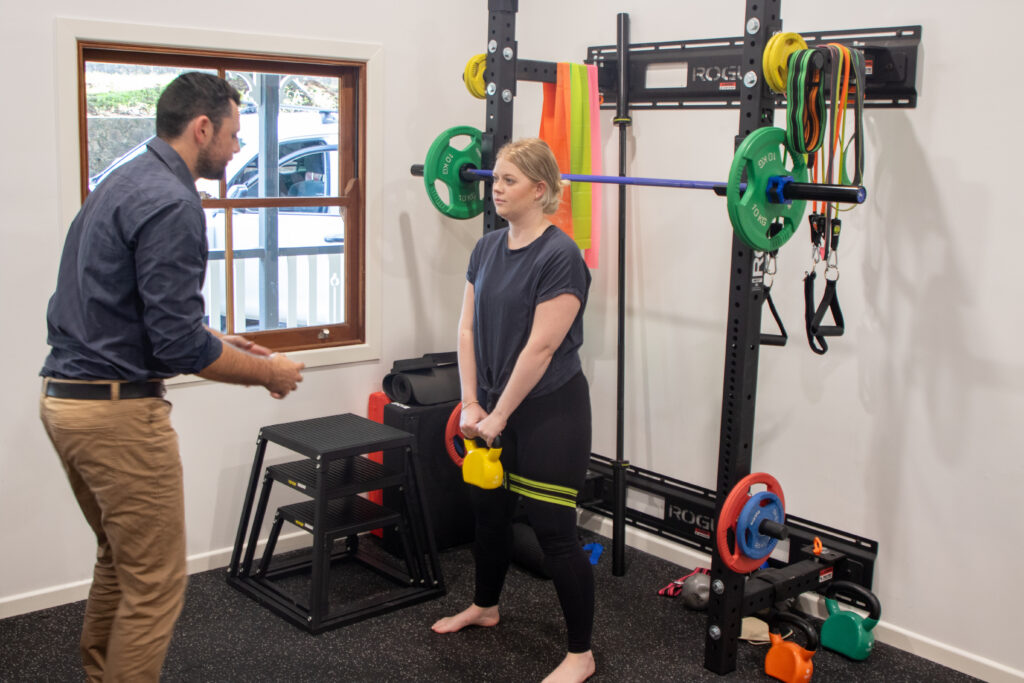
Building a Customised Exercise Rehab Program
A well-constructed exercise rehabilitation program in a podiatry context involves several stages:
- Assessment: The podiatrist conducts a thorough examination, including biomechanical assessments and gait analysis, to identify the root causes of pain or dysfunction.
- Goal Setting: Together with the patient, the podiatrist sets realistic and achievable goals to guide the rehabilitation process.
- Exercise Selection: Based on the assessment and goals, a customized set of exercises is selected. These exercises are designed to improve strength, flexibility, balance, and coordination, specifically targeting the structures of the foot and lower limb.
- Education: Patients are educated on the importance of each exercise, how to perform them correctly, and understanding the progression as they improve.
- Progress Monitoring: Regular follow-ups allow for adjustments to the program, ensuring ongoing effectiveness and adapting to the patient’s progress.
Common Exercises in Podiatric Rehabilitation
The exercises included in a rehabilitation program can vary significantly depending on the condition being treated. They may consist of:
- Stretching exercises for conditions like plantar fasciitis or Achilles tendinopathy, to improve flexibility and reduce tension in the affected areas.
- Strengthening exercises for weakened muscles around the foot and ankle, enhancing support for the foot structures.
- Balance and proprioception exercises, which are crucial for patients recovering from ankle sprains or those with chronic instability.
The Benefits of an Exercise Rehab Program
- Pain Reduction: Regular participation can lead to significant decreases in pain levels and an increased ability to perform daily activities.
- Improved Functionality: Enhanced strength, flexibility, and balance contribute to better performance in sports and daily tasks.
- Injury Prevention: Strengthening the muscles and improving joint stability minimizes the risk of future injuries.
- Enhanced Healing: Exercise stimulates blood flow to the affected area, promoting faster and more effective healing.
Exercise rehabilitation programs are an invaluable tool used by our Podiatrists on the Sunshine Coast. By focusing on the individual needs of each patient, podiatrists can design effective programs that not only aid in the recovery from foot and ankle conditions but also contribute to overall foot health and function. These customised programs empower patients, giving them the knowledge and tools they need to maintain their progress and prevent future issues, ensuring a quicker return to an active and fulfilling lifestyle.
FAQ
Why is my heel pain worst first thing in the morning?
Heel pain is often worst first thing in the morning due to the overnight inactivity, which allows the muscles and tendons in the foot to tighten, especially the plantar fascia and the Achilles tendon. These tissues connect to the heel bone and are typically under a lot of stress during the day from walking or standing.
When you sleep, your feet are generally in a relaxed position and the fascia and other tendons slightly contract and cool down. Upon waking and taking the first few steps, these tissues suddenly stretch back to their functional length, which can cause micro tears or strain at the point where they attach to the heel bone, resulting in sharp, intense pain. This phenomenon is especially prevalent in conditions such as plantar fasciitis and Achilles tendonitis, and the pain usually decreases after the tissues stretch and warm up with continued movement.
What causes heel pain?
Heel pain can be caused by numerous factors including overuse injuries, inflammatory conditions such as plantar fasciitis or Achilles tendonitis, structural issues like flat feet or high arches, or even systemic diseases like arthritis. It can also occur from wearing poorly fitting or inappropriate footwear for certain activities.
How can I tell if my heel pain is caused by plantar fasciitis?
Plantar fasciitis typically causes a sharp, stabbing pain at the bottom of the foot near the heel. This pain is usually most intense with the first steps in the morning or after a long period of sitting. If your heel pain matches this description, it might be plantar fasciitis, but a clinical evaluation can provide a definite diagnosis.
I've had heel pain for a long time, can it still be treated or is it too late?
Can children experience heel pain?
Yes, children can also experience heel pain, often due to Sever’s Disease (calcaneal apophysitis) which is an inflammation of the growth plate in the heel. This is particularly common in physically active children who undergo periods of rapid growth.
What are some effective treatments for heel pain?
Treatment for heel pain depends on the underlying cause but often includes therapies including: Radial Shockwave Therapy, Dry Needling, Exercise Programs, Foot Mobilisation Therapy and Custom Orthotics.
What We Treat
Treatments
Opening Hours
- Monday 8:30am - 5:00pm
- Tuesday 8:30am - 5:00pm
- Wednesday 8:30am - 5:00pm
- Thursday 8:30am - 5:00pm
- Friday 7:00am - 3:00pm
- Saturday Closed
- Sunday Closed
Contact Us
Sunshine Coast Heel Pain Clinic - Woombye
4/40 Wilson Avenue, Woombye, 4559, QLD
Sunshine Coast Heel Pain Clinic - Sippy Downs
Shop 15B, 1 Fairfax Street, Sippy Downs, 4556, QLD
© Copyright Sunshine Coast Heel Pain Clinic – Parent company Elite Foot Care – Website by Hard Launch