
Foot Mobilisation Therapy
Foot Mobilisation Therapy (FMT) represents a pivotal treatment in the field of podiatry, offering a hands-on approach to addressing various structural and functional problems of the foot and lower limbs. Particularly in Australia, where people enjoy an active lifestyle, the demand for non-invasive and effective treatments is high. FMT emerges as a great option, aiming to correct biomechanical dysfunctions without the need for surgical intervention.
Understanding Foot Mobilisation Therapy
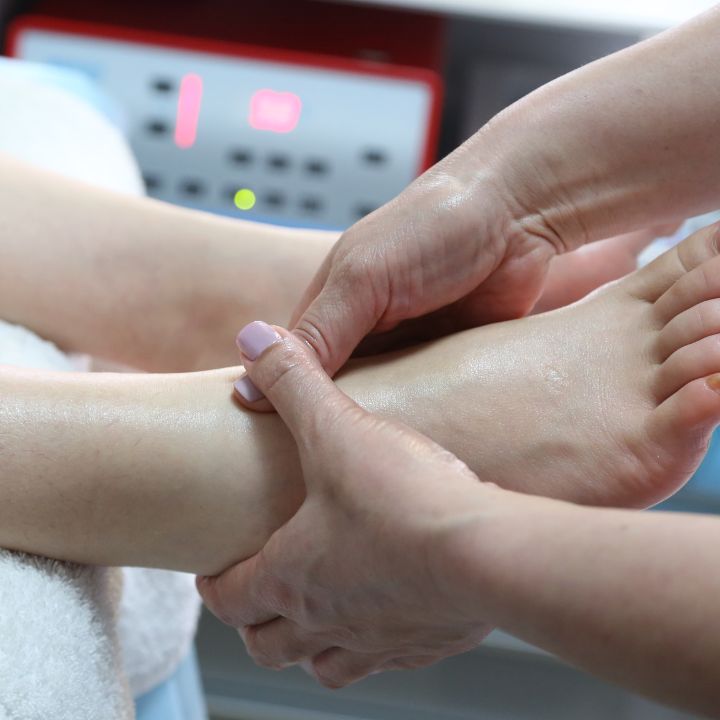
Foot Mobilisation Therapy is a targeted, manual therapy technique designed to stimulate the body’s natural repair mechanisms by improving joint function and alignment. Through precise, gentle manipulations, a podiatrist can address the underlying cause of foot pain and discomfort. FMT capitalises on the body’s inherent ability to heal itself, encouraging improved joint mobility, muscle function, and overall foot health.
Conditions Treated with FMT
FMT offers promising results for a wide array of foot conditions, including, but not limited to:
- Plantar Fasciitis: Characterised by pain in the heel, often worse in the morning.
- Hallux Valgus (Bunions): A deformity of the big toe joint causing it to deviate towards the other toes.
- Achilles Tendinopathy: Inflammation or irritation of the Achilles tendon, leading to pain and stiffness.
- Metatarsalgia: Forefoot pain often caused by altered foot mechanics and excessive pressure on the metatarsals.
- Ankle Instability: Frequent ankle sprains or the feeling of the ankle ‘giving way’ during activity.
The FMT Process
The treatment process for FMT involves several steps:
- Comprehensive Assessment: The podiatrist conducts a detailed evaluation of the patient’s foot and lower limb biomechanics to identify dysfunctions.
- Customised Treatment Plan: Based on the assessment findings, a personalised FMT plan is developed, aiming to correct the specific biomechanical issues.
- Manual Therapy Sessions: Through a series of therapy sessions, the podiatrist performs specific manual techniques to mobilise the affected joints and improve their function.
- Home Exercise Program: To complement the in-clinic treatment, patients receive a tailored exercise regimen to support the corrections made during therapy.
- Progress Monitoring: Regular follow-up appointments allow the podiatrist to monitor the patient’s improvement and adjust the treatment plan as necessary.
Benefits of Foot Mobilisation Therapy
Foot Mobilisation Therapy offers numerous benefits in the treatment of foot and lower limb conditions:
- Non-Invasive: FMT provides an alternative to surgical interventions, avoiding the risks and recovery time associated with surgery.
- Pain Relief: Many patients report significant reductions in pain and discomfort following FMT sessions.
- Increased Mobility: Improvements in joint mobility can lead to enhanced foot function and a more natural gait pattern.
- Long-Term Results: By addressing the underlying biomechanical cause of the condition, FMT offers the potential for long-lasting relief.
- Holistic Approach: FMT is often part of a comprehensive treatment plan, including other modalities such as orthotics or exercise therapy, for optimal outcomes.
Foot Mobilisation Therapy offers an innovative, hands-on approach to resolving foot pain and biomechanical issues. Its alignment with the body’s natural healing processes makes it a favoured choice among Australians seeking relief from a variety of foot conditions. By providing a non-invasive, effective solution, FMT ensures patients can return to their active lifestyles with minimal downtime. Through skilled manual techniques and personalised care plans, podiatrists empower patients to achieve better foot health and enhanced quality of life.
FAQ
Why is my heel pain worst first thing in the morning?
Heel pain is often worst first thing in the morning due to the overnight inactivity, which allows the muscles and tendons in the foot to tighten, especially the plantar fascia and the Achilles tendon. These tissues connect to the heel bone and are typically under a lot of stress during the day from walking or standing.
When you sleep, your feet are generally in a relaxed position and the fascia and other tendons slightly contract and cool down. Upon waking and taking the first few steps, these tissues suddenly stretch back to their functional length, which can cause micro tears or strain at the point where they attach to the heel bone, resulting in sharp, intense pain. This phenomenon is especially prevalent in conditions such as plantar fasciitis and Achilles tendonitis, and the pain usually decreases after the tissues stretch and warm up with continued movement.
What causes heel pain?
Heel pain can be caused by numerous factors including overuse injuries, inflammatory conditions such as plantar fasciitis or Achilles tendonitis, structural issues like flat feet or high arches, or even systemic diseases like arthritis. It can also occur from wearing poorly fitting or inappropriate footwear for certain activities.
How can I tell if my heel pain is caused by plantar fasciitis?
Plantar fasciitis typically causes a sharp, stabbing pain at the bottom of the foot near the heel. This pain is usually most intense with the first steps in the morning or after a long period of sitting. If your heel pain matches this description, it might be plantar fasciitis, but a clinical evaluation can provide a definite diagnosis.
I've had heel pain for a long time, can it still be treated or is it too late?
Can children experience heel pain?
Yes, children can also experience heel pain, often due to Sever’s Disease (calcaneal apophysitis) which is an inflammation of the growth plate in the heel. This is particularly common in physically active children who undergo periods of rapid growth.
What are some effective treatments for heel pain?
Treatment for heel pain depends on the underlying cause but often includes therapies including: Radial Shockwave Therapy, Dry Needling, Exercise Programs, Foot Mobilisation Therapy and Custom Orthotics.
What We Treat
Treatments
Opening Hours
- Monday 8:30am - 5:00pm
- Tuesday 8:30am - 5:00pm
- Wednesday 8:30am - 5:00pm
- Thursday 8:30am - 5:00pm
- Friday 7:00am - 3:00pm
- Saturday Closed
- Sunday Closed
Contact Us
Sunshine Coast Heel Pain Clinic - Woombye
4/40 Wilson Avenue, Woombye, 4559, QLD
Sunshine Coast Heel Pain Clinic - Sippy Downs
Shop 15B, 1 Fairfax Street, Sippy Downs, 4556, QLD
© Copyright Sunshine Coast Heel Pain Clinic – Parent company Elite Foot Care – Website by Hard Launch