
Dry Needle Therapy
Dry needling therapy has emerged as a valuable component in the field of podiatry, offering a solution for a wide range of foot and lower limb conditions. Dry needling, often confused with acupuncture, is distinctly based on western medicine principles and targets myofascial trigger points to alleviate pain and improve function.
What is Dry Needling?
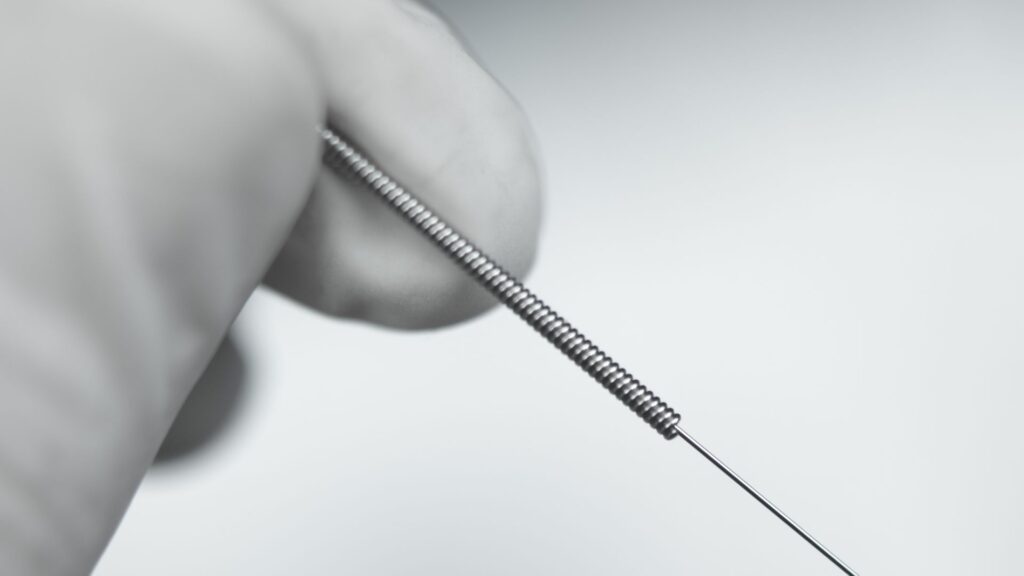
Dry needling involves the insertion of thin, sterile needles into specific parts of the muscle, known as trigger points, which are tight or knotted areas responsible for pain and discomfort. The aim is to provoke a twitch response from the muscle, leading to its relaxation and the alleviation of symptoms. This technique is particularly beneficial in treating chronic conditions, where muscle tightness and spasms are common.
Conditions Treated with Dry Needling
Podiatrists utilize dry needling therapy to address various conditions affecting the foot and lower extremity, including but not limited to:
- Plantar Fasciitis: A common condition that causes heel pain due to inflammation of the plantar fascia.
- Achilles Tendinopathy: Characterised by pain and stiffness in the Achilles tendon.
- Shin Splints: Refers to pain along the inner edge of the shinbone, often seen in runners.
- Heel Spur: A calcium deposit causing a bony protrusion on the underside of the heel bone.
- Morton’s Neuroma: A painful condition that affects the ball of your foot, most commonly the area between your third and fourth toes.
Dry Needling Procedure
- Assessment: Initially, the podiatrist conducts a thorough assessment to determine the suitability of dry needling for the patient’s condition.
- Preparation: The targeted area is cleaned, and the practitioner may mark the trigger points to be addressed.
- Needling: Using a fine, sterile needle, the podiatrist carefully inserts it into the trigger point. Patients might feel a slight pricking sensation, followed by a muscle twitch or spasm.
- Post-Procedural Care: The podiatrist may provide advice on aftercare, including stretching exercises or heat application, to maximize the therapy’s effectiveness.
Benefits of Dry Needling in Podiatry
- Pain Reduction: One of the primary benefits is immediate pain relief, making it highly effective for managing chronic pain conditions.
- Increased Mobility: By relaxing the muscles and reducing tightness, dry needling improves joint mobility.
- Enhanced Healing: The technique stimulates blood flow to the area, which can accelerate the healing process.
- Reduced Muscle Tension: It is particularly beneficial for athletes who experience muscle tightness due to overuse or intensive training.
Dry needling therapy presents a promising solution for individuals suffering from various foot and lower limb conditions on the Sunshine Coast. By addressing the root cause of discomfort—muscle tension and trigger points—it offers a pathway to pain relief and improved functionality without the need for invasive procedures. As part of a comprehensive treatment plan developed by experienced podiatrists, dry needling can enhance quality of life for patients, allowing them to return to their daily activities and enjoy an active lifestyle free from pain.
FAQ
Why is my heel pain worst first thing in the morning?
Heel pain is often worst first thing in the morning due to the overnight inactivity, which allows the muscles and tendons in the foot to tighten, especially the plantar fascia and the Achilles tendon. These tissues connect to the heel bone and are typically under a lot of stress during the day from walking or standing.
When you sleep, your feet are generally in a relaxed position and the fascia and other tendons slightly contract and cool down. Upon waking and taking the first few steps, these tissues suddenly stretch back to their functional length, which can cause micro tears or strain at the point where they attach to the heel bone, resulting in sharp, intense pain. This phenomenon is especially prevalent in conditions such as plantar fasciitis and Achilles tendonitis, and the pain usually decreases after the tissues stretch and warm up with continued movement.
What causes heel pain?
Heel pain can be caused by numerous factors including overuse injuries, inflammatory conditions such as plantar fasciitis or Achilles tendonitis, structural issues like flat feet or high arches, or even systemic diseases like arthritis. It can also occur from wearing poorly fitting or inappropriate footwear for certain activities.
How can I tell if my heel pain is caused by plantar fasciitis?
Plantar fasciitis typically causes a sharp, stabbing pain at the bottom of the foot near the heel. This pain is usually most intense with the first steps in the morning or after a long period of sitting. If your heel pain matches this description, it might be plantar fasciitis, but a clinical evaluation can provide a definite diagnosis.
I've had heel pain for a long time, can it still be treated or is it too late?
Can children experience heel pain?
Yes, children can also experience heel pain, often due to Sever’s Disease (calcaneal apophysitis) which is an inflammation of the growth plate in the heel. This is particularly common in physically active children who undergo periods of rapid growth.
What are some effective treatments for heel pain?
Treatment for heel pain depends on the underlying cause but often includes therapies including: Radial Shockwave Therapy, Dry Needling, Exercise Programs, Foot Mobilisation Therapy and Custom Orthotics.
What We Treat
Treatments
Opening Hours
- Monday 8:30am - 5:00pm
- Tuesday 8:30am - 5:00pm
- Wednesday 8:30am - 5:00pm
- Thursday 8:30am - 5:00pm
- Friday 7:00am - 3:00pm
- Saturday Closed
- Sunday Closed
Contact Us
Sunshine Coast Heel Pain Clinic - Woombye
4/40 Wilson Avenue, Woombye, 4559, QLD
Sunshine Coast Heel Pain Clinic - Sippy Downs
Shop 15B, 1 Fairfax Street, Sippy Downs, 4556, QLD
© Copyright Sunshine Coast Heel Pain Clinic – Parent company Elite Foot Care – Website by Hard Launch